As the media landscape continues to change, albeit at a slightly slower pace, NZ On Air has remained a stable partner and supporter of the creative sector, enabling the creation of content that's engaged audiences here and globally in 2025-26.
Our flexibility has been called on increasingly this year, as local broadcast platforms continue to weather financial storms; local music artists struggle for radio airtime and discovery on global streaming platforms; and game developers look for opportunities for growth in a competitive global market.
We have needed to balance increased funding demand for broad reach screen content with the need to continue to innovate and to find hard-to-reach audiences. This has meant stretching finite funds further. In part this we've achieved this by being the last-in funder for NZ Screen Production Rebate (NZSPR) qualifying drama projects.
We've also responded to change, creating a new strategic framework to guide our work over future years, taking into account the current environment, and the government’s Amplify Strategy for Arts and Culture.
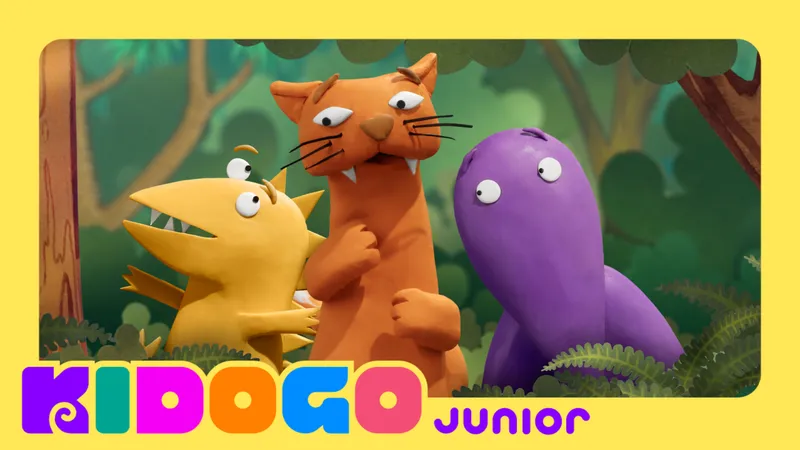
Research showing that children are consuming content on YouTube more than any other platform underpinned the launch of local children’s YouTube channels – KIDOGO for primary school aged children and KIDOGO Junior for pre-schoolers.
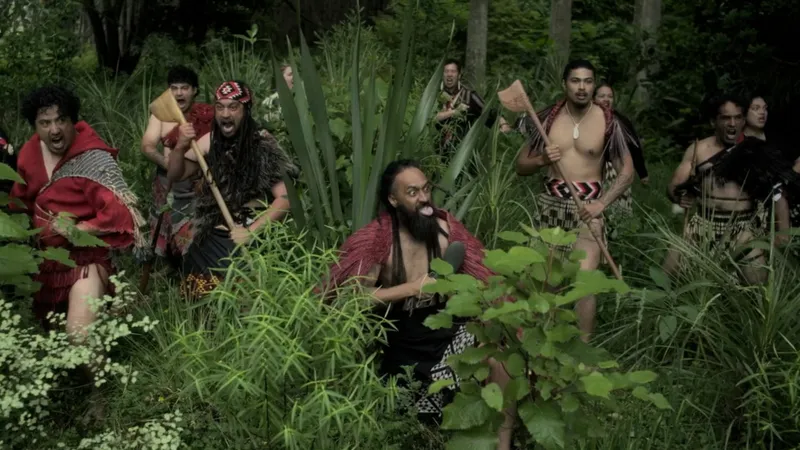
The hard-to-reach youth audience responded well to a range of projects created by younger creators for viewing on the platforms they use. Those projects had tens of millions of views.
Additional funding for four years to support reporting on public institutions has supported more journalism roles, and the funded projects have created public interest journalism attracting tens of millions of views.
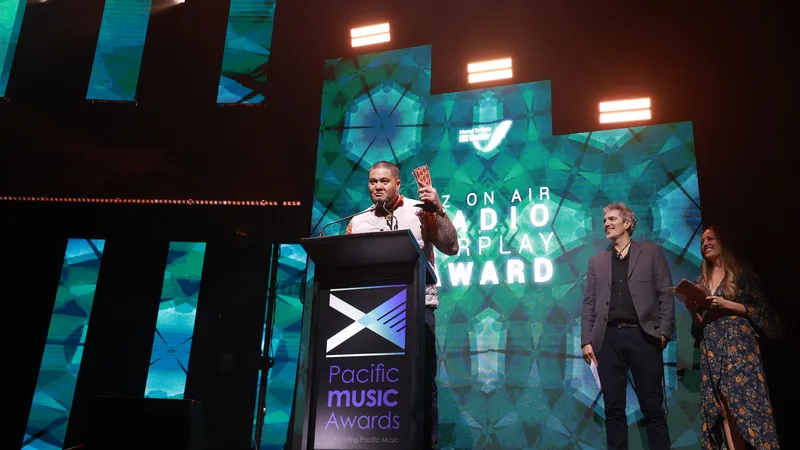
We responded to the increasing discovery challenge for music artists by creating a new initiative – New Music Project Touring. We piloted this as a means of supporting artists who’d received album funding to tour New Zealand.
Collaboration with the NZ Film Commission and Te Māngai Pāho grows in importance as we seek to maximise value through collaboration. Research has been one such example, including producing an inaugural Economic and Cultural Impact report on the screen industry.
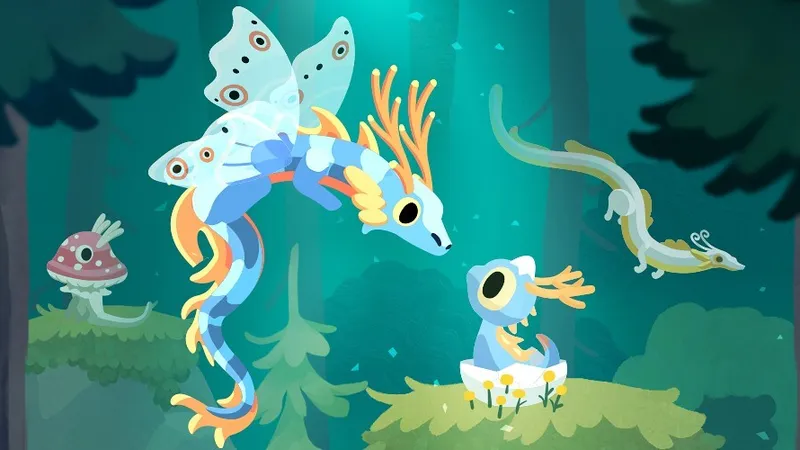
We reviewed feedback from the game development sector and made refinements to our processes and guidance as we headed into the third year of the Game Development Sector Rebate (GDSR). The sector continues to deliver, with jobs and export income growing year on year.
We continue to keep a very close eye on our agency overheads. With growing cost pressures we aim to ensure as much of the funds as possible make it into the sector.
Please continue reading to discover more of the success stories of the year in the featured pages below.