Non-fiction content in 2025-26

Non-fiction content tells the stories of Aotearoa through documentaries, journalism, reality TV shows, unscripted comedy, podcasts and events coverage.

Country calendar
Country Calendar, TVNZ

Keeping New Zealanders informed and connected to our own stories

Non-fiction covers a very broad range of content that includes important stories that reveal aspects of New Zealand and the communities that make up the nation, providing perspectives that can help increase understanding and social cohesion.

In 2025-26 we invested $46.4m in Non-fiction content that featured on at least 24 different platforms. 

By the numbers

9 of the top 10

Funded linear programmes were Non-fiction

4.3 million

Downloads of funded podcasts

60 million

Total content views of funded journalism

Investment and outcomes

The Broadcasting Act requires NZ On Air to reflect and develop New Zealand identity and culture, including te reo Māori and te ao Māori and support content for the various audiences that make up our nation. Non-fiction content balances many audience needs, ranging from broad audience appeal shows rooted in New Zealand’s DNA such as Country Calendar to journalism and current affairs that hold those in power to account. It also includes lighter entertainment such as comedy panel shows, reality TV and information shows such as Eat Well For Less and Casketeers.

Country Calendar this year celebrated 60 years on air – telling stories that engage more than half a million New Zealanders every week. It remains the top of the linear TV Top 10 every week.

Reality shows were previously largely funded by commercial broadcasters but with recent financial constraints we’ve seen increased demand for funding in this genre. Such shows can make a strong business case, when they have an established loyal audience, and content that reflects a broad range of New Zealanders.

Country Calendar dogs on a quad bike

Country Calendar, TVNZ

We also contribute to cornerstone journalism that provides important information to communities across Aotearoa. With an additional $1.6m each year for four years granted in Budget 2025 we were this year able to support the expansion to public institution journalism projects – the Local Democracy Reporting scheme, and Open Justice. Open Justice, through NZME created content that achieved 45.4million views this year. Read more about Local Democracy Reporting below.

Success stories

Local Democracy Reporting (LDR)

The Local Democracy Reporting (LDR) programme is a public-interest news service dedicated to strengthening coverage of local authorities, rūnanga and other similar organisations.

Originally piloted in 2019, the programme was established to fill gaps in the reporting of local bodies and other publicly funded organisations, mostly in regional New Zealand, brought about by significant decreases in reporting numbers in traditional media. Local democracy reporters are employed by newspaper companies, and all their stories are available to RNZ and other qualifying media, including competitors.

While reporters are employed by, and report to, their host newsrooms, they receive extra mentoring, training and support from RNZ.

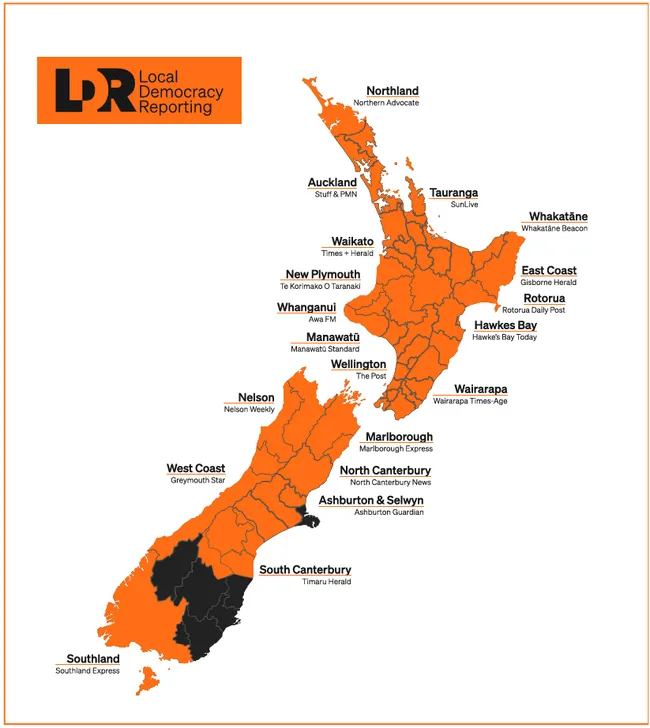
Local Democracy Reporting LDR map
This initiative hires journalists from all walks of life but is particularly good as a training ground for young people and mid-career reporters. By embedding them in newsrooms across the country, we get great regional coverage, and the people of New Zealand have better access to information about local matters
David Reid, Local Democracy Reporting Manager

With additional funding, the number of Local Democracy Reporters was increased in 2026 to 22. The map shows where these are located.

The programme is managed by RNZ and is co-funded by NZ On Air and RNZ.

Funded in November 2025, $1,562,304. Funded in July 2026 (for the 2027 year), $1,600,887.

The Internet’s Guide To Mental Health

A comedic approach to de-stigmatising mental health issues, The Internet's Guide To Mental Health is a sketch-based series made for a rangatahi – young adult YouTube audience. Viva La Dirt League have been creating YouTube and social media content since 2011, with huge success, evidenced by their 7million YouTube subscribers. Addressing a topic that affects many New Zealanders, VLDL were able to create content that took an honest look at struggles people rarely talk openly about. It found a committed audience – with just under 1.7million views of the series. Adding to the meaningfulness of the content itself, the creators also partnered with mental health charities like Movember.

Funded in April 2025, $257,194 and launched April 2026.

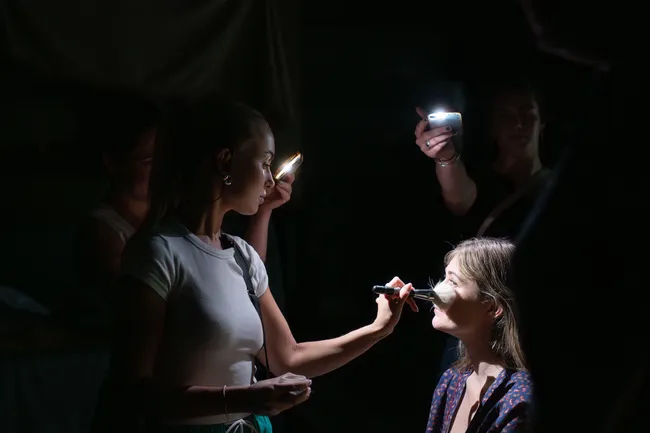
The Internet’s Guide to Mental Health behind the scenes

The Internet's Guide to Mental Health, Viva La Dirt League Productions

Stalked

Stalked is a victim-led series hosted by Jazz Thornton, who herself was a target of stalking. The series exposed systemic failures in New Zealand’s stalking laws. Together with two other victims, Thornton took their stories from social media to Parliament, helping build momentum for reforms to the Crimes Act that made stalking an imprisonable criminal offence.

The second highest rating funded show on SkyGo and Neon this year, it is now finding a new audience on ThreeNow.

Funded April 2025, $728,681 and launched May 2026.

Staked

Stalked, Workparty

All the content warnings in the world won’t prepare you for how sickening and terrifying these stories are, and yet more staggering still is the strength and clarity with which these women recall the worst chapters of their lives ...
Reviewed by Alex Casey for The Spinoff

400 Weddings And A Funeral

Hosted by actors Bella Kalolo-Suraj and Haanz Fa’avae-Jackson the show features short cuts from sit-down interviews with a range of cultural experts and knowledge holders from various islands across the Pacific, including Samoa, Tonga, Cook Islands, Fiji, and Niue.

The 40-minute documentary explains the "dos and don'ts" of major Pacific gatherings, helping non-Pacific attendees (and younger generations) understand cultural expectations, respect protocols, and appreciate the deep role of family.

Opening the door to Pasifika communities living in Aotearoa, the series welcomes all to come into the fale to learn more about who they are.

Funded April 2024, $339,248 and launched May 2026

400 Weddings and a Funeral

400 Weddings And A Funeral, Great Southern Television

Diagnosis Of A Crime

Podcasts have become an increasingly important part of New Zealanders’ media habits, and Newsroom Investigates has established a strong record of producing award-winning podcast series. The first season of Diagnosis Of A Crime earned investigative journalist Melanie Reid and her team the 2025 NZ Media Awards’ Podcast of the Year, with judges describing it as “a superb example of exceptional journalism”. The season investigated cases in which children’s injuries had been wrongly attributed.

The second season, launched in April 2026 follows a high-stakes criminal trial resulting from a complex medical case against a young father.

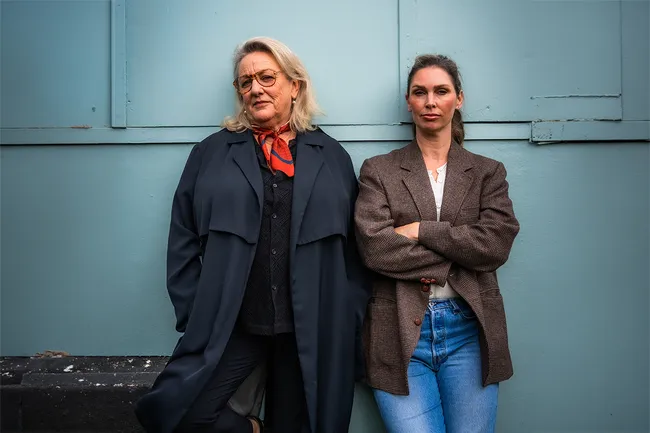
Diagnosis of a crime

Credit: Newsroom

Diagnosis Of A Crime, Newsroom Investigates

The award-winning first season has the second highest audience (average listens across all episodes) of this year's funded podcast releases, with a total of 432,781 downloads or listens across 12 episodes. Season two had already reached fourth spot in the NZ On Air top funded podcasts table only a few months after release.

Reid told the 2025 NZ Media Awards function the support of NZ On Air was vital not only in making her team’s work possible, but in “changing the state of New Zealand.”

If it wasn’t for NZ On Air, there would be a whole stack of families who would have no access to justice.
Journalist Melanie Reid

Season One launched in October 2025, and Season Two launched in April 2026.

Newsroom Investigates funded $399,970 in 2025 and $439,484 in 2026.

Subscribe

Sign up to receive communications such as media releases, newsletters and funding decisions.